How to Use a T-money Card in Korea for Easy Transit
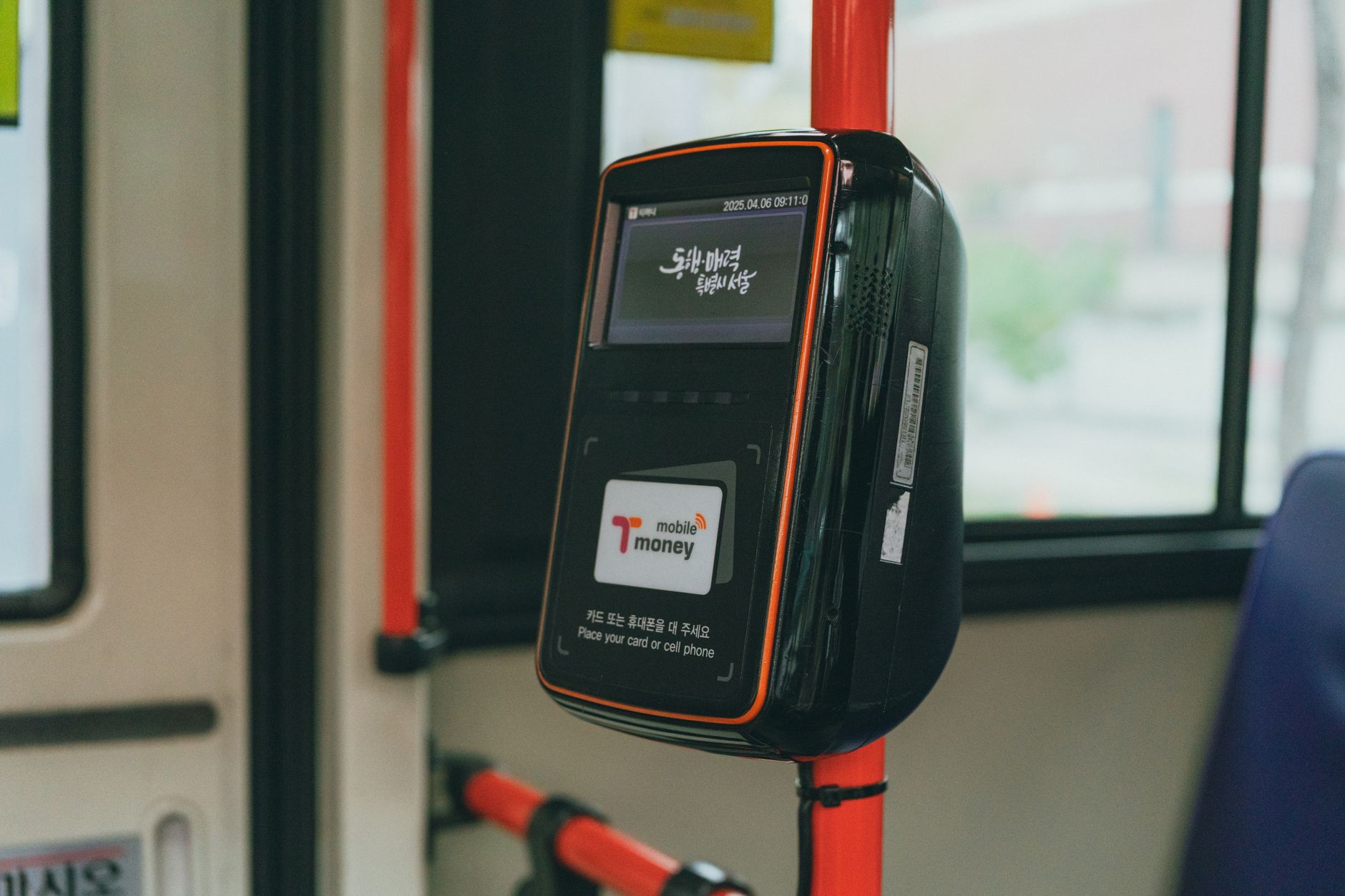
How to use T-money card in Korea is simple: buy a physical card, add credit, then tap it on the reader when you enter and leave participating public transport. For most visitors, a standard physical T-money (티머니) card is the least complicated option because it does not depend on phone compatibility or a local mobile setup. Check the official T-money service and the relevant local transport operator for current acceptance, top-up, and tap-out requirements on your route.
📌 Quick answer
- A physical T-money (티머니) card is usually the easiest choice for international visitors.
- Tap in and tap out, including when you leave the subway or bus.
- Check accepted-payment logos and your remaining balance before a long ride or late journey.
This post contains affiliate links. We may earn a commission at no extra cost to you.
🚇 Compare T-money Card Options Before You Buy
The first decision is which format suits your trip. A physical card is usually the most straightforward visitor choice, while phone-based options require compatibility checks.
| Option | Works best for | Main advantage | Watch for |
|---|---|---|---|
| Physical T-money card | Most short or first trips | Simple, portable, easy to share only by taking turns | Each rider needs their own card at a gate or bus reader |
| Mobile transit option | Travelers with a compatible setup | One less item to carry | Device, app, payment, and registration requirements vary |
| Single-ride alternative | Very limited local transit use | No stored-value card to keep | Less convenient and availability varies by system |
| Cash for taxis or shops | Backup spending | Useful beyond transit | Not a substitute for every transit payment situation |
Pick the option that matches your trip
Pick a physical T-money card if you are arriving for the first time, traveling with children, changing cities, or want the lowest-friction option. Confirm current rider and payment rules with T-money or the local transport operator before traveling as a group.
Pick a mobile option only if you have already confirmed that your phone model, app access, and payment method work with the relevant service. Do that before relying on it at the airport or during a late arrival.
Pick single-ride alternatives only for a very short, predictable trip. Check the relevant local transport operator’s official website or app for current availability and purchase rules.
Use cash as a backup, not your main transit plan. Check the official T-money service or local operator for current acceptance before relying on a card for a particular service.
💡 Local tip: Keep your physical card in one easy-to-reach pocket, away from other contactless cards. A clean, single-card tap is faster than opening a wallet at a crowded gate.
💳 Buy and Set Up Your T-money Card Without Guesswork
Look for T-money (티머니) signage at subway stations or convenience stores. Card stock, top-up methods, and card designs vary by location, so check the display, machine instructions, or staff guidance before buying.
A reliable first setup
1️⃣ Find a sales point or machine. Look for T-money (티머니) signage at a subway station or ask at a convenience-store counter.
2️⃣ Choose a physical card and load value. Buy the card, then add enough credit for your first transport rides and a small buffer; reload when convenient rather than waiting until the balance is nearly empty.
3️⃣ Confirm the balance. Use the machine display, retailer confirmation, or a compatible transit app where available. Keep the receipt until you have successfully used the card.
4️⃣ Learn the sound and screen response. A reader normally gives an immediate visual or audible response. If it does not, pause and ask staff rather than repeatedly tapping.
The Seoul Metropolitan Government lists the adult basic subway fare when using a transit card such as T-money as ₩1,550, effective from June 28, 2025. Fares can vary by distance, rider category, route, and future policy, so check the Seoul Metropolitan Government or the relevant local transport operator for your actual journey.
For a clearer look at gates, transfers, and route planning, use this Seoul subway and T-money guide. It is especially useful before you try your first interchange.
If you are already arranging your city days, you can also browse Seoul attractions and activities after your transit plan is set.
🧭 If You Are..., Do This
A first-time visitor: Choose a physical card, top up before your first ride, and practice one calm tap at a subway gate rather than figuring it out on a packed bus.
A family with children: Give each person who will pass through a gate their own valid payment method, and ask staff about the correct rider category instead of assuming one adult card fits everyone.
On a one-day stopover: Use T-money if you expect multiple local rides; if your itinerary has only one known journey, compare the effort of purchasing and loading a card with the local single-ride option.
A budget backpacker: Track your balance after busy transit days, keep a little usable credit for your final ride, and avoid depending on a last-minute reload at an unfamiliar location.
⚠️ Heads-up: A phone wallet that works at home is not automatically a Korean transit card. Confirm compatibility through the official T-money service or your mobile provider before you leave your physical card behind.
📱 How to Use T-money Card in Korea on Buses and Subways
Follow the instructions shown at the reader and check the official T-money service or relevant local transport operator for current boarding, exit, and transfer requirements. Keep your card ready and read the screen if a tap does not work.
At a subway gate
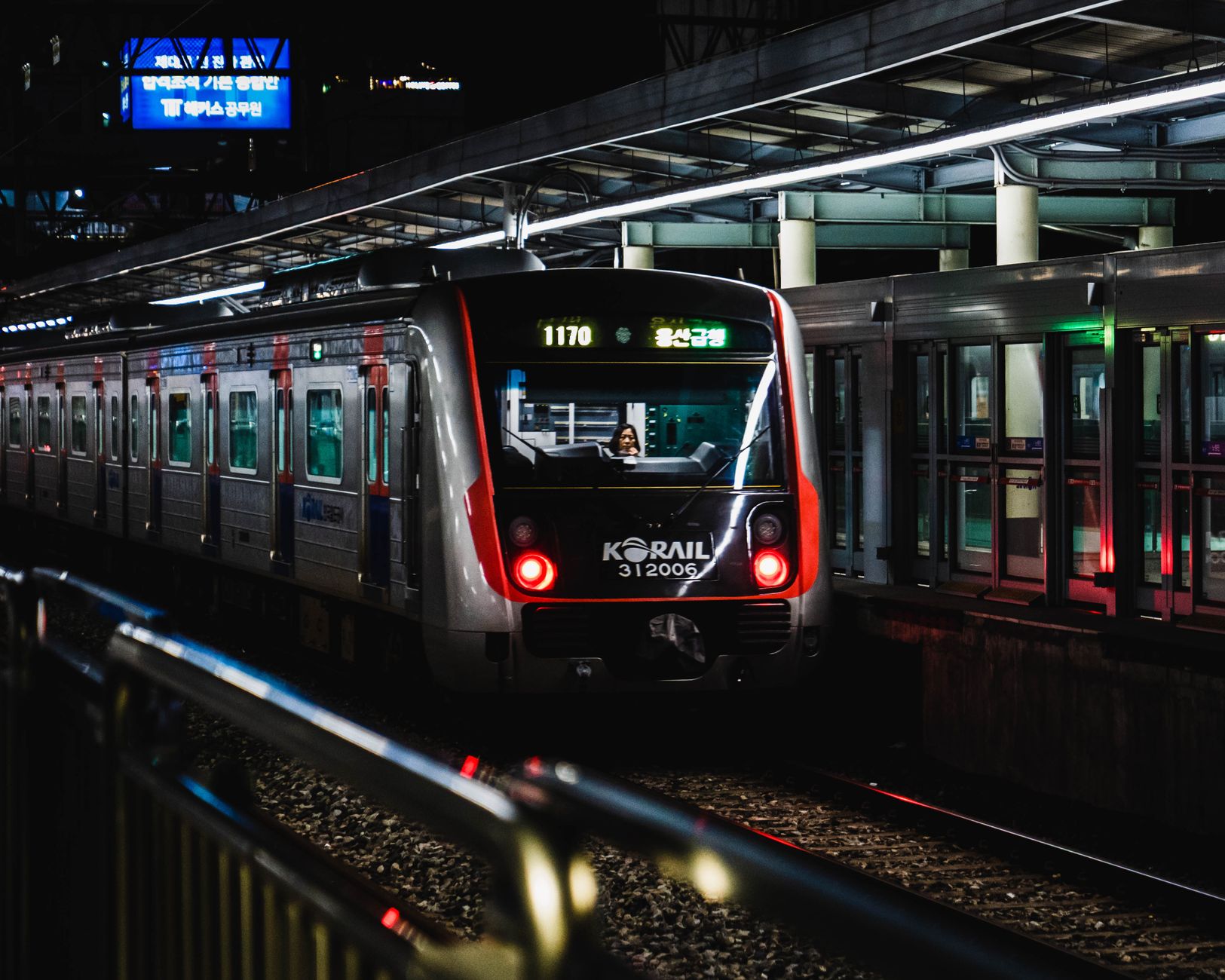
1️⃣ Follow the signs for your line and direction. Check the station name and final destination shown on the platform display, not only the line color.
2️⃣ Tap the card flat on the reader. Wait for the gate to open and move through promptly; do not tailgate another traveler.
3️⃣ Keep the card separate. If the reader cannot identify the card, remove it from a thick wallet or phone case and tap again once.
4️⃣ Tap out when you exit. Do this even if you are distracted by finding the right station exit or meeting someone outside.
On a city bus
1️⃣ Tap as you board. Have the card ready before the bus arrives, because boarding tends to move quickly.
2️⃣ Check your route while riding. Map apps and the bus display can help, but confirm your stop before standing up.
3️⃣ Tap again as you get off. This is a common visitor miss, particularly when the bus is crowded or the exit is busy.
| Situation | What to do | Common mistake |
|---|---|---|
| Subway entry | Tap once and wait for the gate | Walking through before a successful read |
| Subway exit | Tap before leaving the paid area | Forgetting after following an exit sign |
| Bus boarding | Tap at the front reader | Searching for the card after boarding |
| Bus exit | Tap at the exit reader | Leaving quickly without the final tap |
| Transfer | Follow the displayed route and tap normally | Assuming all transfers are handled the same way |
If a gate stays closed, read the screen rather than guessing. It may indicate a low balance, an incomplete prior trip, or a card-read issue; station staff can tell you which one it is.
💡 Local tip: When you hear an alert or see a warning after tapping, do not rush onward. Screenshot the message if it is in English, or show the card and screen to station staff before you leave the paid area.
For travelers planning attractions alongside transit, plan a Seoul sightseeing day only after you have allowed travel time between neighborhoods.
⚠️ Fix the T-money Problems Visitors Meet Most Often
Most problems come from timing, balance, or using the wrong reader. Solve the immediate issue first, then check the official T-money service or local operator if the message is unclear.
The reader will not accept your tap
Remove the card from your wallet, phone case, or stack of bank cards. Tap one card directly against the marked reader and wait for the response before trying again.
If that fails, use a station service desk or ask the driver only when it is safe and the bus is stopped. Do not force your way through a gate or board without completing payment.
You forgot to tap out
On the subway, speak to staff before leaving the station if you realize it in time. On a bus, the right next step depends on the city and operator, so check the operator's official website or app, or ask at your next staffed station.
Your balance is too low
Reload at a participating machine or retailer, following the payment methods shown there. Do not assume every machine accepts the same kind of bank card or payment method.
Check the official T-money website and the local transit operator when you need current rules on reloading, refunds, or acceptance outside Seoul.
You took the wrong direction
Stay inside the station only if you can follow signs back to the correct platform without exiting. If you need help, show the destination name on your map to a staff member rather than relying on a similar-looking Romanized station name.
For general travel help, the Korea Tourism Organization operates the 1330 Korea Travel Hotline with English, Japanese, and Chinese support. For emergencies, call 119 for fire or ambulance services and 112 for police.
✅ Quick Checklist
✅ Buy a physical T-money (티머니) card if you want the simplest visitor setup.
✅ Load credit and verify the balance before boarding your first bus or entering a subway gate.
✅ Tap at both ends of each trip: in and out.
✅ Keep the card separate from other contactless cards when tapping.
✅ Check the operator or official T-money service for changing payment, refund, and regional acceptance rules.
🎟️ Book ahead
Transit and attraction reservations solve different problems: T-money handles local movement, while an advance activity booking can make a fixed-time itinerary easier to organize. Leave buffer time for stations, transfers, and finding the correct exit before committing to a timed entry.
If you have a tightly planned day, check Seoul activity availability before you go. Review the provider's current cancellation terms and meeting instructions before booking.
FAQ
❓ Can I use one T-money card for two people?
Usually, each person needs their own way to pay when passing through a subway gate because each rider must tap individually. On buses, local practices and reader settings can differ, so ask the driver or check the operator's guidance rather than assuming one card will cover everyone.
❓ Can tourists buy and use a T-money card?
Yes, a physical T-money (티머니) card is commonly used by visitors for participating local transport services. Check the current sales location and payment instructions at the station, convenience store, or official T-money channels because availability can differ.
❓ Do I need to tap out of buses and subways?
Yes—make tapping out your normal routine on both. It records the end of your ride and avoids confusion about an incomplete journey.
❓ Does T-money work outside Seoul?
T-money is used across many parts of Korea, but the exact acceptance depends on the local transport operator and service. Look for acceptance marks and verify your destination's rules through its local transit website before relying on the card for every journey.
🔗 Plan the rest of your trip
- Paying with cards, cash, and T-money — understand which payment method is practical in everyday situations.
- Apps that work without a Korean phone number — prepare navigation and transport tools before you land.
Final Thoughts
- Physical T-money cards are the clearest option for most international visitors.
- The core rule for how to use T-money card in Korea is easy: tap when entering and tap when leaving.
- Check current local rules when you change cities, use a new payment method, or need a refund.
Next step: save your first hotel, airport, and sightseeing destinations in a navigation app, then decide where you will buy and load your card before your first ride.
Photo by Theodore Nguyen on Pexels
🧳 Free Korea trip tools


Comments
Post a Comment