Seoul Autumn Foliage Spots You Can Reach by Subway: 8 Picks
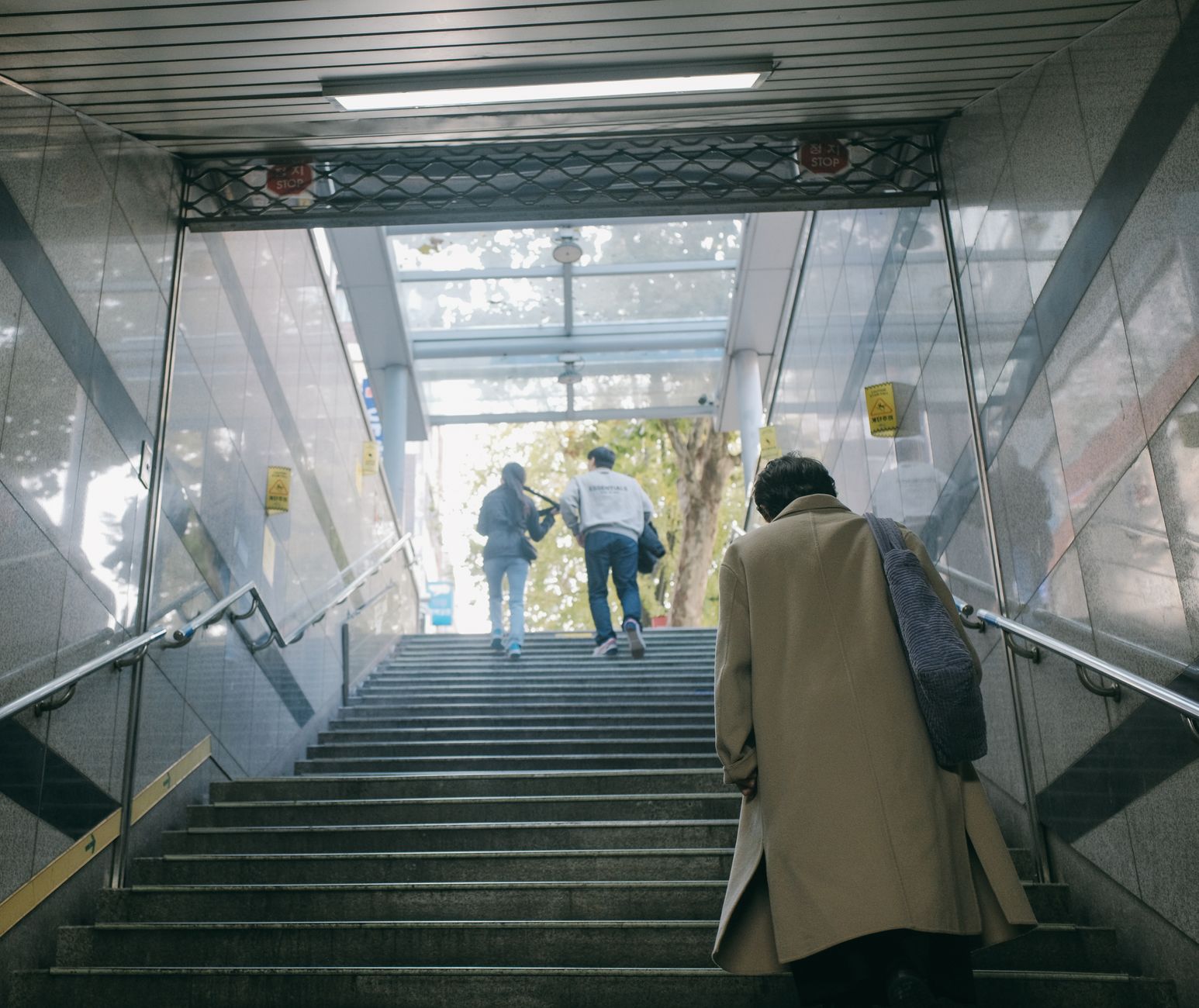
Seoul autumn foliage spots you can reach by subway make it easy to enjoy Korea’s most colorful season without renting a car or navigating mountain roads. From royal palace ginkgo lanes to hillside parks with wide city views, Seoul’s rail network connects you to impressive yellow and red scenery. This guide explains when to go, which station exits are most useful, and how to combine several places into a relaxed foliage day. As locals know, the best autumn outing is often less about chasing one famous tree and more about arriving early, walking slowly, and ending with a warm meal nearby.
📌 Quick answer
- Seoul’s foliage usually develops from higher northern areas toward central Seoul, so timing can vary each year.
- The easiest subway-accessible choices include Changdeokgung, Deoksugung, Seoul Forest, Haneul Park, and the university streets around Ewha.
- Go on a weekday morning when possible, use a T-money card, and check current peak-color updates before setting out.
🍁 When to Visit Seoul Autumn Foliage Spots You Can Reach by Subway
Autumn in Seoul generally moves quickly, and the exact peak changes with the year’s weather. Yellow ginkgo leaves, red maples, and warm brown zelkova leaves do not all peak on the same day, which is good news: you have a longer window than a single “best weekend.”
For most travelers, late October through mid-November is the broad period to watch. Parks and higher areas may color earlier, while palace grounds and city streets can stay photogenic later.
Read the foliage in layers
Use this simple comparison when choosing a date for Seoul autumn foliage spots you can reach by subway:
| What you want to see | Usually look for | Best kind of location | Easy example |
|---|---|---|---|
| Bright yellow leaves | Ginkgo trees | Palace roads and boulevards | Deoksugung area |
| Deep red foliage | Maples | Historic grounds and wooded paths | Changdeokgung |
| Open grassland views | Silver grass and mixed trees | Riverside or elevated parks | Haneul Park |
| A calmer local walk | Mature street trees | University neighborhoods | Ewha area |
Before you leave, look at recent visitor photos and official park or palace notices rather than trusting an old calendar. A rainy or windy day can bring leaves down quickly, while a mild spell can delay color.
💡 Local tip: On weekends, visit the most famous foliage place before 10 a.m., then save cafés, shopping streets, and restaurants for the busy afternoon. Seoul locals often do the reverse of the crowd to protect their walking time.
Pick a weekday if your schedule allows
A weekday morning gives you clearer photos, shorter queues at palace ticket desks, and more room on narrow trails. Weekends are still enjoyable, but expect popular exits, photo zones, and food streets to feel crowded from late morning onward.
If rain is forecast, do not automatically cancel. Light rain makes palace roofs, stone walls, and wet leaves look especially rich in photos; simply choose paved areas and bring shoes with grip.
🚇 8 Seoul Autumn Foliage Spots You Can Reach by Subway
These eight places range from formal palace gardens to easy neighborhood walks. Subway exit numbers can occasionally be affected by construction or local changes, so confirm navigation details in a map app on the day.
1. Changdeokgung Palace and Huwon (창덕궁 후원)
Changdeokgung Palace is one of the strongest choices for red and gold foliage paired with traditional architecture. Its rear garden, Huwon (후원), meaning “secret garden,” has ponds, old trees, and gently wooded paths that feel more secluded than central Seoul.
Take the subway to Anguk Station and walk toward the palace entrance. The rear garden may use timed entry or a separate visiting system, so check the palace’s official information before you go.
Best for: first-time visitors, traditional Korean scenery, and maple-focused photos.
2. Deoksugung Palace Stone-Wall Road
The stone-wall road beside Deoksugung Palace is a short but classic Seoul walk. Mature ginkgo trees turn the path a vivid yellow, while the palace wall and nearby cultural buildings create a distinctly urban-historic setting.
City Hall Station is the convenient subway stop, and you can continue into nearby Jeong-dong (정동) for cafés and quiet red-brick architecture. This is an excellent option when you only have a few hours.
Best for: a central itinerary, yellow ginkgo leaves, and an easy walk with minimal hills.
3. Seoul Forest (서울숲)
Seoul Forest is a broad public park with lawn areas, woodland paths, seasonal trees, and plenty of space to slow down. It is more casual than a palace, making it good for travelers who want foliage without entry procedures or a rigid sightseeing route.
Seoul Forest Station is nearby, and Ttukseom Station can also work depending on where you enter. Combine the park with Seongsu-dong (성수동), a former industrial area now known for cafés, design shops, and converted warehouse spaces.
Best for: relaxed strolling, mixed foliage, and a café stop after the park.
4. Haneul Park (하늘공원)
Haneul Park sits on an elevated section of World Cup Park and is especially known for autumn silver grass. The appeal is not only the trees: the open fields, tall pale grass, and broad views create a very different autumn mood from palace gardens.
World Cup Stadium Station is the usual subway starting point, followed by a walk toward the park entrance. There can be an uphill approach or stair sections, so allow extra time and wear comfortable shoes.
Best for: wide landscapes, sunset light, and travelers who prefer a more outdoorsy atmosphere.
5. Namsan Park and N Seoul Tower Area
Namsan is central, wooded, and full of city views, so it is one of the most flexible Seoul autumn foliage spots you can reach by subway. You can walk only a lower section of the park or continue uphill toward the tower area, depending on your energy.
Myeong-dong Station, Seoul Station, and Hoehyeon Station can all be useful starting points, but each gives a different uphill route. For a gentler experience, use public transport options that serve the mountain area and check the current route information.
Best for: foliage plus skyline views, active walkers, and an evening transition into Myeong-dong.
6. Ewha Womans University and Edae Streets
The streets around Ewha Womans University have a lived-in neighborhood feeling, with mature trees, slopes, small shops, and casual restaurants. The campus architecture and tree-lined routes can make a short foliage stop feel surprisingly scenic.
Ewha Womans University Station is the obvious stop, and you can extend the walk toward Sinchon or Yeonhui-dong if you enjoy cafés and local retail streets. Please remember that it is an active university, so keep noise low and do not block paths for photos.
Best for: a lighter local walk, campus scenery, and pairing foliage with food.
7. Olympic Park (올림픽공원)
Olympic Park is huge enough that it rarely feels as compressed as Seoul’s central palace zones. Its trees, open lawns, lake edges, and walking roads offer a long, low-stress autumn afternoon.
Olympic Park Station is a straightforward subway access point. Choose one small area rather than trying to cover the entire park, especially if you are visiting after another major attraction.
Best for: families, long walks, and travelers who want space for photos without constant crowds.
8. Seokchon Lake (석촌호수)
Seokchon Lake offers an easy loop with water reflections and a skyline backdrop. While it is famous in spring, its tree-lined paths also work well for an uncomplicated autumn stroll, particularly when the air is clear.
Jamsil Station is the most convenient subway hub. This area is very developed and busy, so choose it for a polished city-and-nature combination rather than a quiet forest feeling.
Best for: an accessible lakeside walk, evening dining, and a convenient east-Seoul plan.
💡 Local tip: For photos, look beyond the famous main entrance. A side path, a palace wall, or leaves floating beside a pond often gives you a more Korean-looking autumn image than the busiest photo spot.
🗺️ Build a Subway Foliage Day Without Rushing
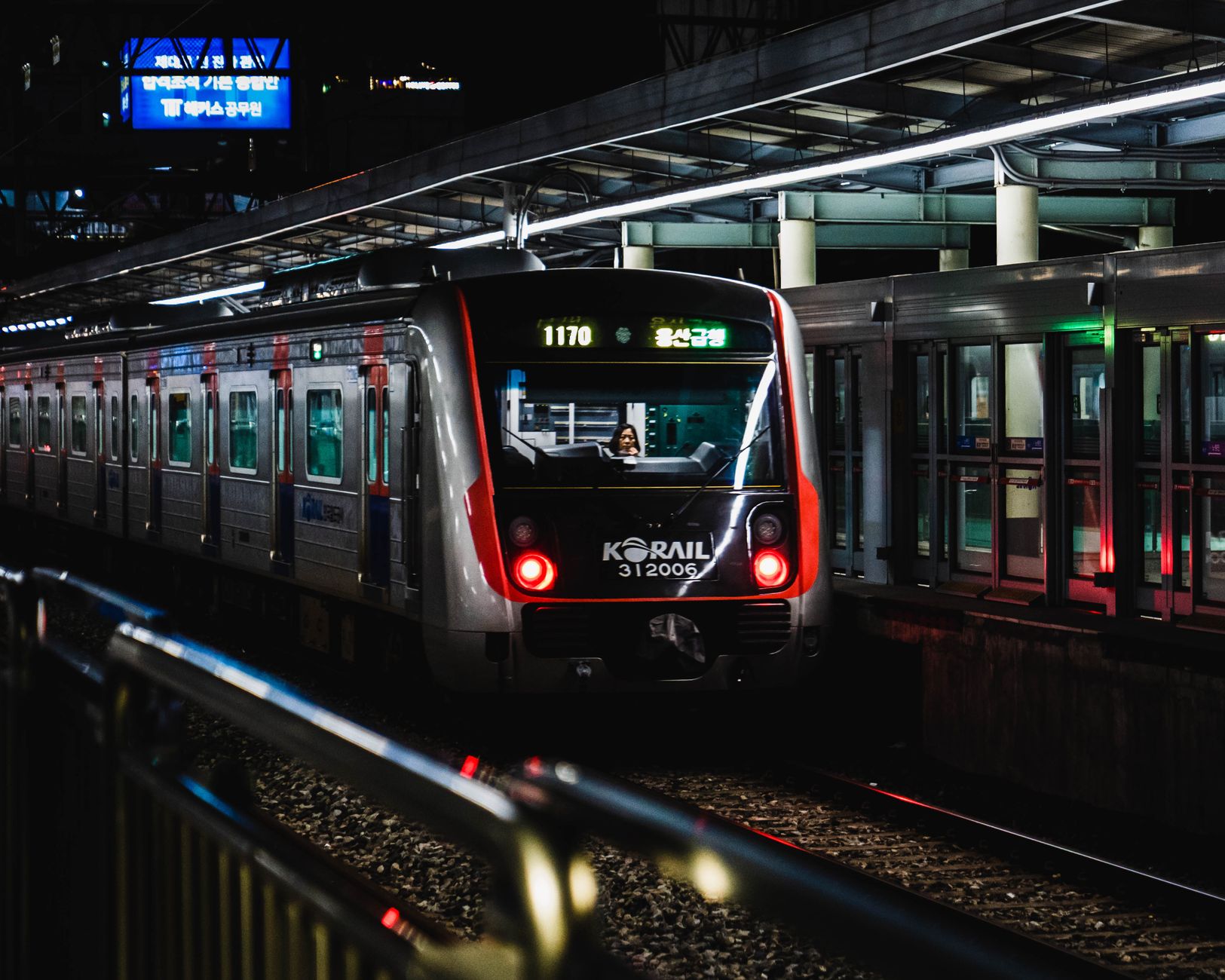
The smartest way to visit Seoul autumn foliage spots you can reach by subway is to group places by area. Seoul is large, and a plan with too many transfers can turn a beautiful walk into a day spent underground.
Route A: Historic central Seoul
This route suits visitors staying around Myeong-dong, Insadong, or Jongno.
1️⃣ Start at Changdeokgung Palace in the morning, when the grounds feel calmest.
2️⃣ Walk through Bukchon or Insadong for lunch, choosing a simple Korean meal such as kalguksu (칼국수), knife-cut noodle soup, or bibimbap (비빔밥), mixed rice with vegetables.
3️⃣ Take the subway to City Hall for Deoksugung’s stone-wall road, then finish around Jeong-dong or Cheonggyecheon Stream.
This is the best itinerary if you want traditional buildings, compact distances, and lots of places to stop indoors if the weather changes.
Route B: East Seoul park and café day
This route is ideal if you prefer modern Seoul, wider paths, and fewer historic-ticketing logistics.
1️⃣ Begin at Seoul Forest and walk slowly through the central paths.
2️⃣ Have coffee or lunch in Seongsu-dong, where many places are within walking distance.
3️⃣ Continue to Seokchon Lake for a lakeside loop and dinner around Jamsil.
The two sites are not next door, but the subway connection is simple enough for a full day. Do not try to add Olympic Park unless you are happy with a long walking day.
Route C: Open views and sunset
Haneul Park and Namsan make a strong combination for travelers who want more landscape than shopping. Start with Haneul Park in early afternoon, then move toward Namsan before sunset if your energy and daylight allow.
| Route | Walking level | Autumn mood | Good finishing area |
|---|---|---|---|
| Historic central | Moderate | Palaces and ginkgo | Insadong or Myeong-dong |
| East Seoul | Easy to moderate | Parks and cafés | Seongsu or Jamsil |
| Views and sunset | Moderate to high | Grassland and skyline | Myeong-dong |
| Campus stroll | Easy | Neighborhood trees | Sinchon |
🎒 Subway Tips for an Easy Autumn Outing
A little preparation matters because foliage season brings more day-trippers onto the subway and into parks. The practical goal is simple: keep your hands free, avoid peak crowd times, and leave room for an unplanned café or scenic detour.
Pay and navigate smoothly
A rechargeable T-money card is the standard convenient choice for public transportation. If you are unsure whether to use a foreign card, cash, or T-money for your trip, read this practical guide to paying in Korea before arrival.
Navigation can be the bigger challenge because some Korean map platforms have features that depend on a Korean phone number. Save a few place names in Korean, download an offline reference map if possible, and use this guide to Korea apps without a Korean phone number to plan your options.
Pack for changing temperatures
Mornings and evenings may feel much cooler than the bright midday hours. Seoul autumn weather often rewards layers more than a single heavy coat.
| Bring | Why it helps | Simple local choice |
|---|---|---|
| Light outer layer | Cool mornings and evenings | Jacket or cardigan |
| Comfortable shoes | Palace gravel and park paths | Cushioned sneakers |
| Small umbrella | Light rain or sudden showers | Compact folding type |
| Reusable bottle | Long walks and dry air | Refill when possible |
| Portable battery | Maps and photos use power | Fully charge before leaving |
Avoid carrying a huge suitcase or bulky shopping bag into a palace or park day. Coin lockers may be available in some stations, but availability and sizes vary, so treat them as a backup rather than your entire plan.
Respect the places you are photographing
Foliage season can make people forget that palaces, campuses, and parks are shared spaces. Stay on marked paths, do not shake branches for falling-leaf photos, and avoid placing tripods where they block other visitors.
At palace sites, follow signs about restricted areas and indoor spaces. At university campuses, remember that students are studying and moving between classes, not appearing in a tourist attraction.
⚠️ Heads-up: Ginkgo fruit can fall in autumn and has a strong smell when stepped on. Watch the ground under yellow ginkgo trees, especially after rain, and keep a little distance from heavily fruiting branches.
✅ Quick Checklist
✅ Check current foliage photos or official notices the evening before, especially after wind or rain.
✅ Load your T-money card or confirm your payment method before entering the subway.
✅ Choose two main stops, not five, so you can enjoy each one without rushing.
✅ Wear shoes suitable for slopes, stairs, gravel, and long station corridors.
✅ Save each destination’s Korean name, such as Seoul Forest (서울숲), in your phone for easier map searches.
❓ FAQ
❓ What is the best subway-accessible place for autumn leaves in Seoul?
Changdeokgung Palace is a strong all-around pick because it combines traditional architecture, mature trees, and easy access from central Seoul. For a more relaxed park atmosphere, Seoul Forest is often easier to enjoy without planning around entry procedures.
❓ Can I see Seoul autumn foliage spots you can reach by subway in one day?
Yes, but aim for two major sites in the same part of the city rather than trying to cover every famous location. Changdeokgung plus Deoksugung works well for central Seoul, while Seoul Forest plus Seokchon Lake is a practical east-Seoul pairing.
❓ Are Seoul’s autumn parks free to enter?
Many public parks and walking paths are freely accessible, while palace admission policies and special garden entries may differ. Check the official page for each destination shortly before your visit because special events, maintenance, or reservation systems can change access.
❓ Is Haneul Park difficult to reach by subway?
The subway portion is simple from World Cup Stadium Station, but the final approach can involve a noticeable walk and uphill sections. It is manageable for many visitors, yet it is less convenient than a palace or lakeside route if mobility is a concern.
❓ Should I visit foliage spots in the morning or at sunset?
Morning is better for calmer paths and cleaner photos at popular places. Sunset is especially rewarding at Haneul Park, Namsan, and Seokchon Lake, but plan your return route before it gets dark and allow extra time for crowds.
🌿 Final Thoughts
Seoul autumn foliage spots you can reach by subway prove that you do not need a rental car or a full-day hike to see Korea’s fall color. Choose a route that matches your travel style, check conditions close to your date, and let the city’s parks, palace walls, and tree-lined streets do the rest.
- For traditional scenery: choose Changdeokgung and Deoksugung.
- For relaxed park time: choose Seoul Forest, Olympic Park, or Seokchon Lake.
- For big open views: choose Haneul Park or Namsan.
Next step: save two destinations in Korean on your phone, then build your foliage day around the subway line closest to your hotel.
🧳 Free Korea trip tools


Comments
Post a Comment