Seoraksan National Park Autumn Hiking Guide: 6 Steps
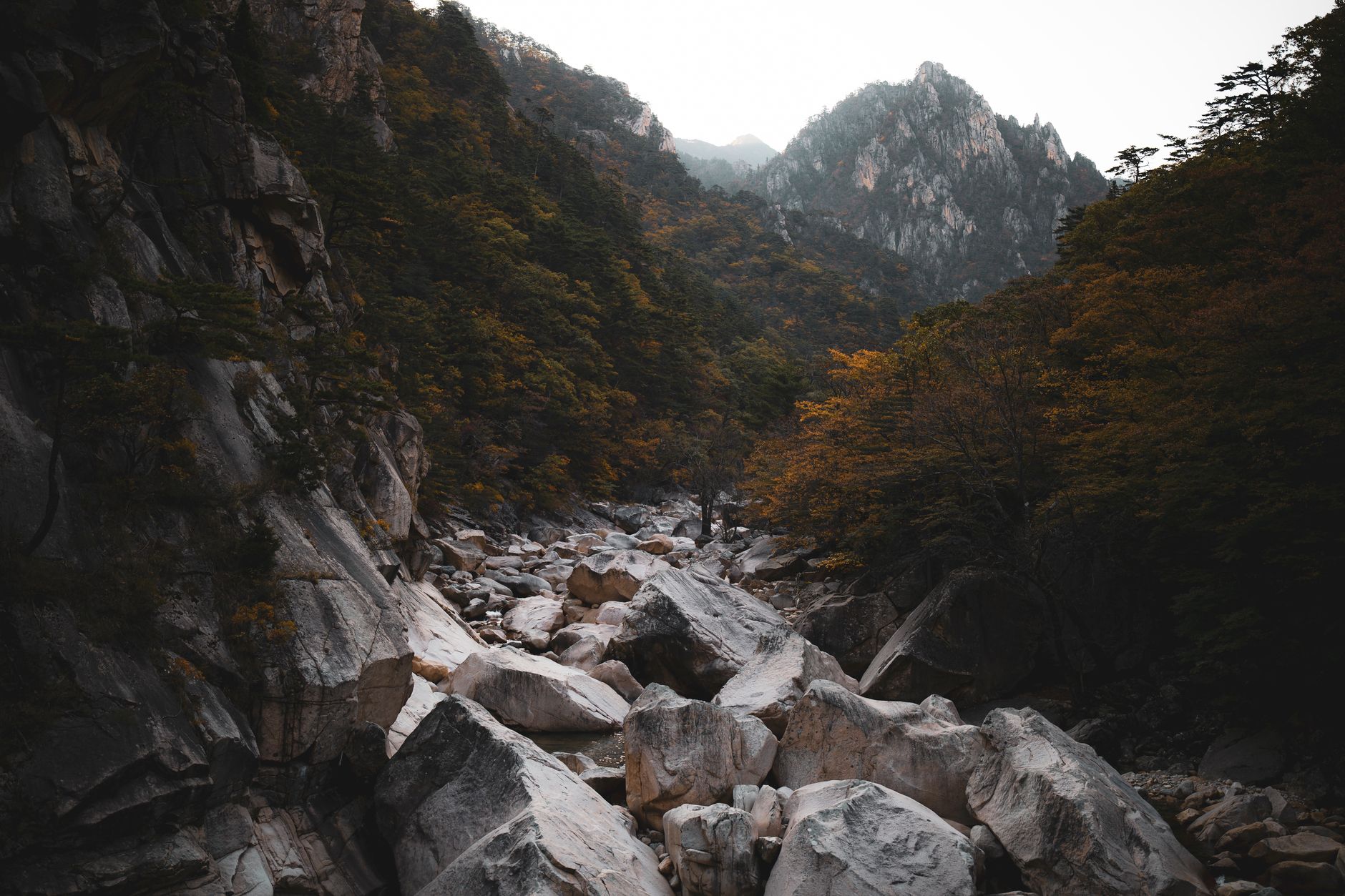
Seoraksan National Park autumn hiking guide planning is the key to seeing Korea’s most dramatic fall color without turning a beautiful day into a stressful one. This how-to guide explains when to go, which trails suit different fitness levels, how to reach the park, and the practical Korean hiking etiquette that makes the day run smoothly. Seoraksan (설악산) is not just a viewpoint stop: it is a large mountain landscape where weather, crowds, and trail choice matter as much as the foliage. Use this guide to build a realistic itinerary, whether you have a few hours from Sokcho (속초) or a full hiking day.
📌 Quick answer
- Go on a weekday if possible, arrive early, and check the official park trail notices before leaving.
- Choose the Biseondae or Biryong Falls area for an easier walk; tackle Ulsanbawi only if you are ready for sustained uphill steps.
- Dress in layers, carry water and snacks, and treat the mountain forecast as more important than the city forecast.
🧭 Plan Your Seoraksan National Park Autumn Hiking Guide
Autumn in Seoraksan is popular because granite peaks, maple leaves, and clear mountain air come together in one place. The exact color peak shifts every year with temperature and rainfall, so locals tend to watch current foliage reports rather than booking around one fixed “perfect” date. In broad terms, color begins higher on the mountain and gradually moves toward lower areas and nearby Sokcho.
Pick the right kind of day
Before selecting a route, decide what you actually want from your Seoraksan National Park autumn hiking guide: a gentle foliage walk, a classic summit-style challenge, or scenic views with limited walking. This park rewards honest planning because the difference between valley trails and steep stair routes is considerable.
| Your priority | Best area to consider | Typical effort | Why it works in autumn |
|---|---|---|---|
| Easy foliage and photos | Biseondae (비선대) valley trail | Low to moderate | Forest, stream, and cliffs create varied color |
| Waterfall scenery | Biryong Falls (비룡폭포) area | Moderate | A shaded valley walk with seasonal leaves |
| Big granite views | Ulsanbawi (울산바위) | High | Wide views over ridges and the East Sea area |
| Less hiking, more panorama | Seorak Cable Car area | Low walking | Useful for travelers short on time, subject to operations |
The main park entrance near Seorak-dong (설악동) is the simplest base for first-time visitors. It has the clearest access to popular trailheads, but that also means queues and busy pathways can build quickly in fall.
1️⃣ Check conditions the evening before. Look for official trail closures, rain warnings, strong wind notices, and cable car operating updates if that is part of your plan.
2️⃣ Start with a finish time, not just a start time. Build in time to return slowly, use restrooms, find transport, and wait in any exit congestion.
3️⃣ Keep one shorter backup route. If weather changes or the entrance is exceptionally crowded, a lower valley trail is a smarter choice than forcing a long hike.
💡 Local tip: In Korean hiking culture, an early start is part of the experience, not a sign of rushing. Reaching the trail before the busiest arrivals gives you quieter photos, cooler walking conditions, and more flexibility if the weather turns.
Understand the autumn crowd pattern
Weekends, public holidays, and peak-foliage periods bring a lot of day hikers from Seoul and the Gangwon-do (강원도) region. The busiest points are usually transport hubs, the main gate, popular photo stops, and narrow stair sections rather than every part of the park.
A practical strategy is to arrive early, hike outward while energy is high, and leave time for a meal in Sokcho afterward. If you can travel on a weekday, that one decision often improves the entire Seoraksan National Park autumn hiking guide experience more than trying to find a secret trail.
🥾 Choose an Autumn Trail That Matches Your Fitness
The best Seoraksan autumn hike is not automatically the highest or longest one. Many visitors underestimate stairs, uneven stone, and the temperature drop that comes with elevation, then spend the final hour focused on getting down rather than enjoying the scenery.
Option 1: Biseondae for a flexible valley walk
The route toward Biseondae (비선대) is a strong first choice for travelers who want mountain scenery without committing to a summit-style day. You can walk at your own pace, turn around when you are satisfied, and still see forest color, water, and rock formations.
Concrete example: walk from the main entrance toward Biseondae, pause at open streamside viewpoints, then return on the same general corridor before your energy drops. This is especially useful for mixed groups, photographers, and anyone visiting after a long intercity journey.
Option 2: Biryong Falls for water and foliage
The Biryong Falls (비룡폭포) area adds the sound and sight of water to the fall landscape. Expect more incline and more attention to footing than on the easiest paved sections, especially after rain when rocks and leaf-covered paths can be slippery.
Choose this route if you enjoy a defined destination and do not mind a moderate uphill walk. Wear shoes with grip rather than smooth casual sneakers, and bring a light extra layer for shaded sections.
Option 3: Ulsanbawi for ambitious hikers
Ulsanbawi (울산바위) is famous for its enormous rock formation and demanding climb. The ascent involves long, steep stretches and many stairs, so it suits hikers who are comfortable with sustained effort and are prepared to descend carefully.
Think of it as a mountain workout with a major view, not a casual autumn stroll. If clouds, rain, high winds, or fatigue are in the picture, switch to a valley route without hesitation; the park will still be beautiful.
| Route style | Who it suits | What to bring | When to turn back |
|---|---|---|---|
| Biseondae valley | First-time visitors, mixed groups | Water, light jacket, camera | When daylight or energy is limited |
| Biryong Falls | Active walkers | Grippy shoes, snacks, rain layer | If wet surfaces feel unsafe |
| Ulsanbawi | Fit, prepared hikers | Extra water, warm layer, gloves | If wind, fog, or leg fatigue increases |
| Cable car viewpoint | Limited mobility or time | Windproof layer, flexible plan | If operations pause or queues dominate the day |
💡 Local tip: Koreans often pack a small “mountain snack” kit: water, fruit, nuts, kimbap (김밥), and something warm to drink. It is practical fuel, but it also prevents you from relying on a restaurant exactly when everyone else is hungry.
🍁 Seoraksan National Park Autumn Hiking Guide: Timing and Weather
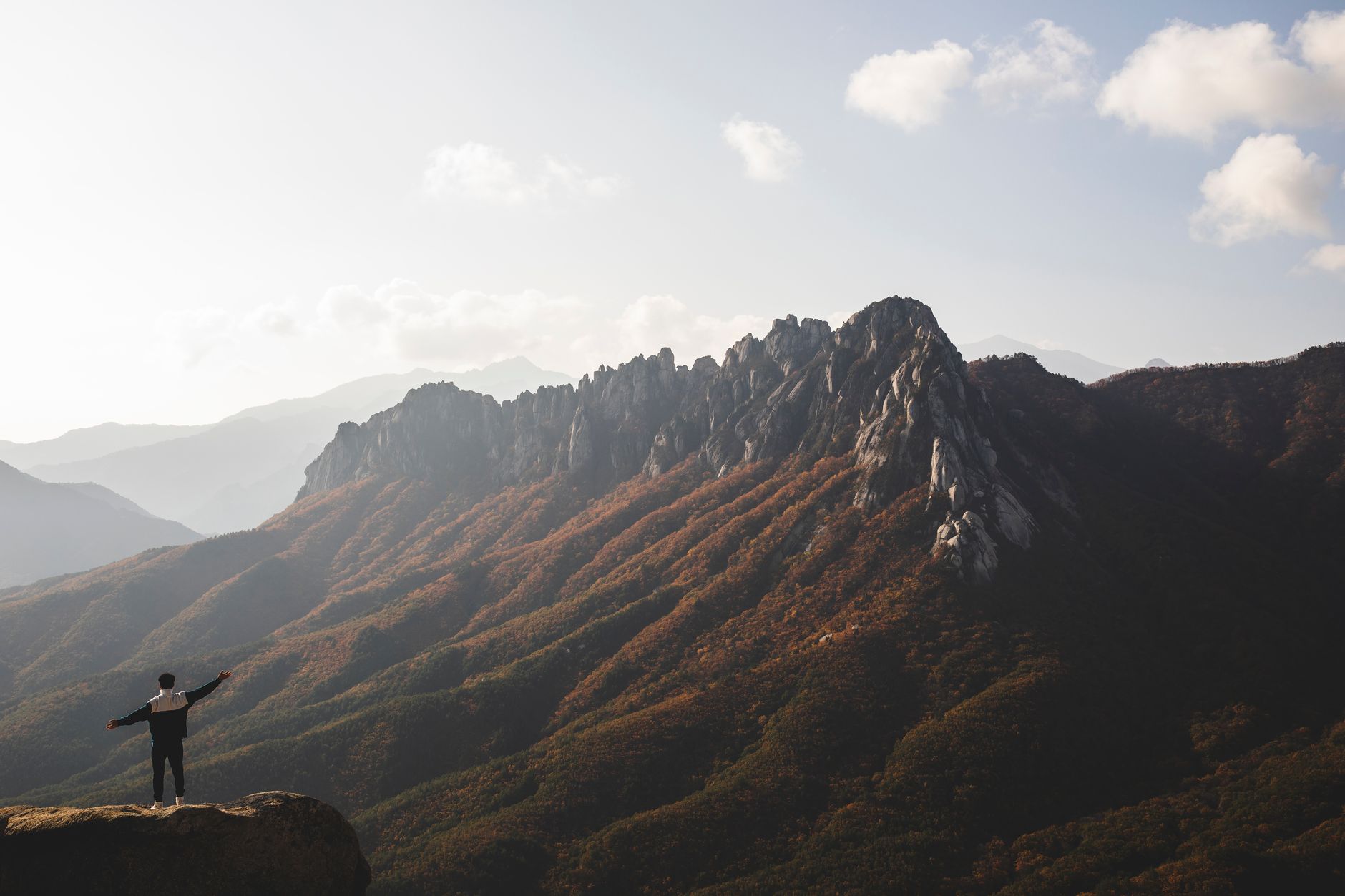
For autumn leaves, timing is a moving target rather than a guarantee. Higher ridges usually change first, while lower valleys often hold color later, so a visit can still be worthwhile even when social media says “peak season” has passed.
Read the forecast like a hiker
Sokcho weather can feel mild while Seoraksan is cold, windy, misty, or wet. Check both the local forecast and the mountain-specific forecast, then look again on the morning of your hike because conditions can change quickly around the peaks.
Use this simple layering formula:
1️⃣ Base layer: a breathable shirt that does not stay damp with sweat.
2️⃣ Mid-layer: a fleece or light insulating layer for breaks and higher viewpoints.
3️⃣ Outer layer: a windproof or waterproof jacket, depending on the forecast.
Avoid relying on a heavy coat alone. You may overheat while climbing, then get chilled as soon as you stop for photos or reach an exposed viewpoint.
Follow official notices, not only foliage posts
A vivid photo online may have been taken days earlier, on a different slope, or in sunlight that lasts only minutes. Trail access can also change for safety, conservation, weather, or wildfire prevention, so verify status through official Seoraksan National Park channels before departing.
The cable car can be appealing for travelers who cannot do a long hike, but operations may be affected by weather and demand. Treat it as an optional part of the day, not the only reason you visit.
| Condition | Better choice | Avoid |
|---|---|---|
| Clear and cool | Longer valley walk or prepared Ulsanbawi hike | Starting late without a return plan |
| Light rain | Short lower route with proper rain gear | Slippery steep stairs and rushing |
| Strong wind or fog | Low-elevation scenery, museum, or Sokcho coast | Exposed viewpoints and cable car dependence |
| Sudden cold | Shorter route with warm breaks | Cotton layers and insufficient water |
For the most satisfying Seoraksan National Park autumn hiking guide itinerary, give yourself permission to adjust. A safe two-hour valley walk in glowing leaves is better than a risky attempt at a famous summit in poor visibility.
🚍 Get There, Move Smartly, and Hike Respectfully
Most international visitors approach Seoraksan through Sokcho, then use local public transport or a taxi to reach the main entrance area. Exact routes, frequencies, and traffic conditions change by season, so use a live map app and confirm the current stop name and park entrance before boarding.
If you are arriving from Seoul, allow extra time during autumn weekends because roads into the Sokcho and Seoraksan area can slow down. Travelers who want a taxi backup can estimate costs in advance with this Seoul taxi fare calculator, then confirm the route with the driver or navigation app.
Make payment and navigation easier
A transportation card such as T-money (티머니) is convenient for buses and subways, while cards are widely accepted in many shops. Still, keep a small amount of Korean won for occasional small purchases or situations where a card reader is inconvenient; read this guide to paying with cards, cash, and T-money in Korea before your trip.
Download maps, translation tools, and your accommodation address while you have reliable internet. Korean map platforms can show local transit and trail-area details better than some global map apps, but features may vary without a Korean phone number.
Practice simple Korean mountain etiquette
Hiking is a serious leisure culture in Korea, especially among older regular hikers. You do not need to copy anyone’s clothing or pace, but a few habits show consideration and make narrow trails safer.
- Say annyeonghaseyo (안녕하세요), meaning hello, when it feels natural on a quiet trail.
- Let faster hikers pass at a wide, safe spot rather than stopping suddenly on stairs.
- Keep voices low near viewpoints; many people come for the sound of water and wind as much as for photos.
- Pack out every wrapper, tissue, and food scrap. National parks are protected landscapes, not picnic grounds.
- Stay on marked paths. Shortcuts damage soil and vegetation, especially when many feet use them during foliage season.
⚠️ Heads-up: Do not treat a Korean mountain trail as an urban park path. Sunset comes earlier in autumn, and descending in darkness on wet stone or stairs is much harder than the same route felt in daylight.
✅ Quick Checklist
✅ Check official Seoraksan trail, weather, and cable car notices the night before and again in the morning.
✅ Choose one primary trail and one shorter alternative based on your group’s fitness.
✅ Pack water, portable snacks, a charged battery, grippy shoes, and three light clothing layers.
✅ Leave early enough to finish well before dark, including time for transport back to Sokcho.
✅ Carry out all rubbish and give other hikers room on narrow sections.
FAQ
❓ When is the best time for autumn leaves in Seoraksan National Park?
Autumn color generally progresses from higher elevations to lower valleys, but the timing changes each year. Check recent official foliage updates and weather conditions rather than relying on a fixed calendar date, and consider a weekday for a calmer visit.
❓ Is Seoraksan suitable for beginners in autumn?
Yes, if beginners choose lower valley routes such as the walk toward Biseondae rather than a demanding climb. This Seoraksan National Park autumn hiking guide recommends matching the route to your comfort with uneven ground, stairs, and cool weather, not simply choosing the most famous viewpoint.
❓ Can I wear regular sneakers for Seoraksan?
For a short, dry, easy walk, supportive sneakers with decent tread may be enough. For waterfalls, rain, leaf-covered paths, or Ulsanbawi, proper hiking shoes or trail shoes with better grip are a much safer choice.
❓ How much time should I allow for a visit?
Allow a flexible half-day for a short valley visit and much longer for a major hike, transport, meal breaks, and crowd delays. Do not plan tightly around a cable car or one specific photo stop because weather and queues can change the pace.
Final Thoughts
A good Seoraksan National Park autumn hiking guide is really about preparation, not chasing one exact leaf-color date. The mountain is spectacular in many conditions, but it is most enjoyable when your route, clothing, and return plan fit the day you actually have.
- Pick the trail for your fitness, with Biseondae and Biryong Falls offering more approachable alternatives to Ulsanbawi.
- Check mountain conditions twice, because weather and access can differ from Sokcho.
- Start early and stay flexible, especially during peak autumn weekends.
Your next step: save a current official trail-status page, choose your primary and backup route, and pack your layers the night before. With that simple preparation, you can enjoy Seoraksan’s fall color like a thoughtful local rather than spending the day reacting to crowds and weather.
🧳 Free Korea trip tools


Comments
Post a Comment